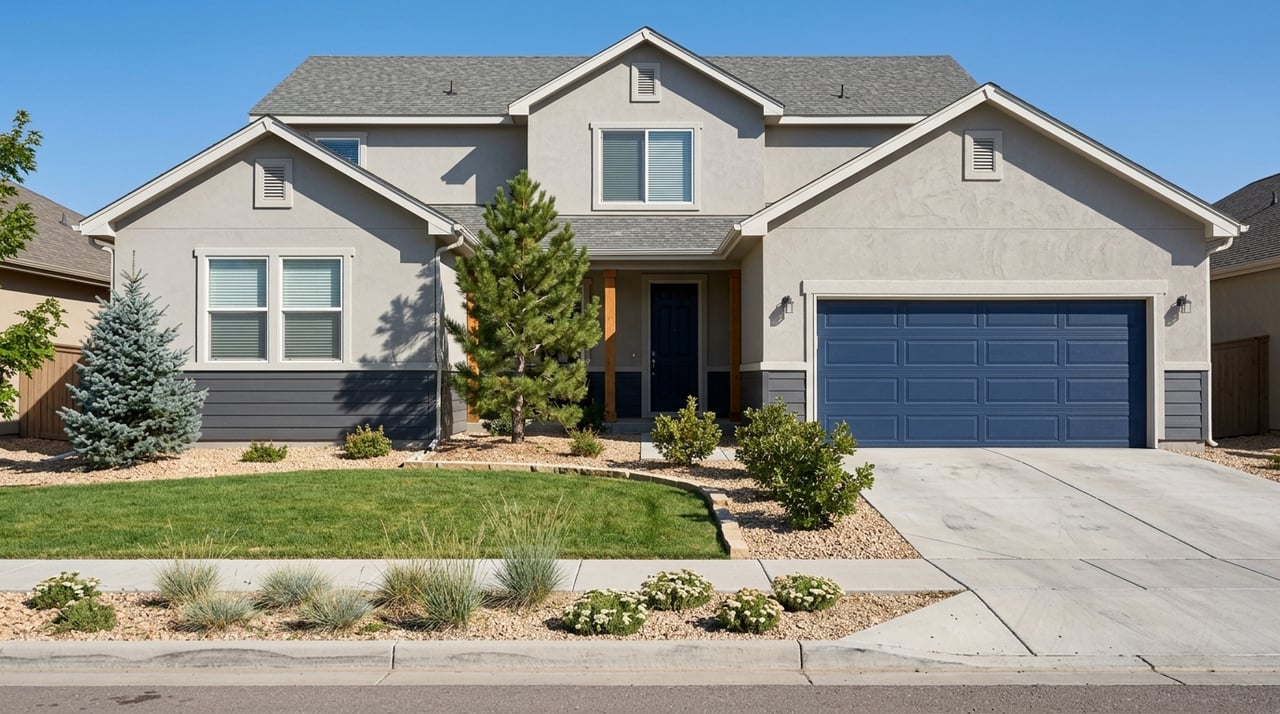
Wondering what daily life in Peyton actually feels like? That depends a lot on where in Peyton you land. Some addresses offer wide-open acreage, private wells, and big-sky views, while others feel more like a suburban neighborhood with planned streets, nearby parks, and more standardized utilities. If you are trying to decide which version of Peyton fits your routine, priorities, and budget, this guide will help you understand the difference. Let’s dive in.
Peyton Has Two Everyday Rhythms
Peyton is part of El Paso County’s eastern growth area, and county planning documents describe it as a mix of rural expanses, newer residential areas, and service corridors. That means Peyton is not one single lifestyle. It is more accurate to think of it as a spectrum.
On one end, you have acreage properties with more space and more parcel-specific considerations. On the other, you have subdivisions with smaller lots, more built-out infrastructure, and easier access to everyday amenities. Both can be a great fit, but they create very different routines.
Acreage Living in Peyton
If you picture Peyton as open land, long views, and room to spread out, you are thinking about the acreage side of the market. El Paso County planning materials describe rural density as parcels of at least 10 acres and typically more than 35 acres. In these areas, daily life often feels quieter, more spread out, and more tied to the land itself.
That extra space can be a major draw if you want breathing room between homes. It can also mean your property setup matters more than it would in a typical subdivision. Things like access, drainage, utility configuration, and the condition of the land can shape your day-to-day experience.
Utilities Can Be More Property-Specific
One of the biggest differences with acreage living is infrastructure. County planning examples in the Peyton and Falcon area show that some rural parcels are served by individual onsite wells. Buyers should also verify the wastewater setup and whether a property falls inside any district service boundaries.
That matters because two homes in the same general area can function very differently. One may have systems that feel straightforward, while another may require more hands-on understanding of water, septic, or maintenance needs. When you look at acreage in Peyton, the exact address matters more than broad assumptions.
Water Matters in Rural Areas
Water planning is a major part of life in unincorporated El Paso County. The county requires new developments to demonstrate a reliable 300-year water supply, and its 2025 water reliability evaluation says the Denver Basin Aquifer remains a reliable long-term source for residential and municipal uses.
For you as a buyer, the practical takeaway is simple. If you are considering acreage, ask clear questions about the home’s water source and wastewater system early in the process. That kind of upfront clarity can help you avoid surprises later.
The Landscape Feels Like Part of Daily Life
Acreage living in Peyton is not just about a larger lot. It is also about being part of a broader open-prairie setting. County park descriptions for Homestead Ranch Regional Park mention rolling meadows, tree-covered bluffs, a spring-fed pond and creek, and trails.
The Rock Island Regional Trail also runs parallel to Highway 24 between Falcon and Peyton and offers long-range views of Pikes Peak and the Rampart Range. Even if you are not living directly beside these spaces, they help define the area’s everyday feel. In many parts of Peyton, the scenery is part of the routine.
Subdivision Living in Peyton
If you want Peyton with a more neighborhood-style setup, subdivisions may be the better match. County planning materials describe urban-density areas as parcels under 2.5 acres served by roads, water distribution, and wastewater treatment. In plain terms, that usually means a more standardized living experience.
Subdivision life in Peyton often feels more predictable from one property to the next. Streets are more defined, lot sizes are generally smaller, and utility service tends to be less parcel-specific than it is on acreage. For many buyers, that makes day-to-day planning easier.
Infrastructure Feels More Built In
One county review in the Peyton area notes a proposed urban-density subdivision with lots ranging from about 9,100 square feet to just over an acre. That range helps show how Peyton can still offer some elbow room even on the subdivision side. At the same time, these neighborhoods are designed around more complete infrastructure.
If you prefer fewer unknowns about utility setup and access, subdivision living may feel more comfortable. You still get the east-county setting, but with a layout that often supports a more plug-and-play routine.
Nearby Amenities Add Convenience
Subdivision living in Peyton also tends to connect more directly to public amenities. Falcon Regional Park spans 215 acres and includes baseball fields, open space, a dog park, playground, and trails. High Prairie Library adds another layer of convenience with computers, meeting rooms, curbside pickup, and a local branch presence in the Peyton and Falcon corridor.
These amenities help explain why some buyers see Peyton as a practical middle ground. It is not an urban environment, but it is not fully isolated either. For many households, that balance is a big part of the appeal.
Services Are More Established Than Some Buyers Expect
District 49’s official information shows Peyton-based school, transportation, and before- and after-school locations in Falcon Zone neighborhoods such as Bennett Ranch, Meridian Ranch, and Woodmen Hills. The district also places its central office in Peyton and operates transportation from a Peyton address.
That does not mean every Peyton address has the same service pattern. It does show, though, that parts of the area have a meaningful service backbone. If you are moving from out of town, that is helpful context when comparing Peyton to more remote-feeling rural areas.
Commutes and Errands Usually Center on Highway 24
No matter which style of home you choose, daily movement in Peyton is closely tied to U.S. 24. The Colorado Department of Transportation identifies the corridor as the connector between Colorado Springs, Falcon, Peyton, Calhan, and Ramah. It also describes the section near Colorado Springs as a congested suburban corridor supporting commuter traffic and local businesses.
That means your commute experience will often depend on how close your home is to the Highway 24 corridor. Two homes both labeled “Peyton” can create very different morning routines based on their location and access points.
Traffic and Improvements Matter
CDOT is advancing design work to add capacity between Garrett Road and Woodmen Road. It is also moving forward with improvements at US 24 and Judge Orr because development-driven traffic volumes have raised concerns about safety and traffic flow.
For buyers, the message is practical. Peyton can work well for commuters, but commute ease is highly address-dependent. If drive time matters to you, it is smart to test the route during the times you would actually use it.
Errands Often Happen Along a Corridor
Many buyers expect a single downtown center, but that is not really how Peyton functions day to day. County planning materials identify the Falcon Highway 24 and Meridian Road area as the primary center for commercial business and service activity in the planning area.
In real life, that often means your errands happen along a corridor rather than in one central district. Some daily needs can be handled in the Peyton and Falcon area, while larger retail, medical, and specialty services often mean more driving toward Colorado Springs.
Questions to Ask Before You Buy in Peyton
Because Peyton includes both acreage and subdivision living, the best questions are usually very practical ones. This is especially true if you are relocating, buying for the first time, or comparing several parts of El Paso County at once.
Here are a few key things to verify by address:
- Whether the property uses a well, septic system, or public utility service
- Which school district serves the home
- How the real commute feels during your expected drive times
- Which fire protection district covers the property
- How close the home is to Highway 24 and your most common errands
County records show that both Peyton School District No. 23 and El Paso County School District No. 49 serve parts of the Peyton area. County assessor information also lists the Peyton Fire Protection District separately. That is why address-level verification matters so much here.
Which Peyton Lifestyle Fits You Best?
If you want more land, more independence, and a stronger rural feel, acreage may be the better fit. If you want neighborhood structure, more built-in services, and easier access to parks and daily conveniences, a subdivision may make more sense.
Neither option is better across the board. The right fit depends on how you want your everyday life to work. That is especially important in Peyton, where one address can feel very different from the next.
If you are comparing neighborhoods, weighing commute tradeoffs, or trying to decide whether acreage or subdivision living makes more sense for your move, working with someone who will walk through the details with you can make the process much clearer. If you want practical guidance tailored to your budget, timeline, and goals, connect with Ashley Moberly.
FAQs
What is the difference between acreage and subdivision living in Peyton?
- Acreage living in Peyton usually means larger parcels, more open space, and more property-specific systems like wells or septic, while subdivision living typically means smaller lots, built-out roads, and more standardized water and wastewater service.
What should buyers verify before purchasing acreage in Peyton?
- Buyers looking at acreage in Peyton should verify the water source, wastewater system, access, drainage, service boundaries, school district, and fire protection district for the specific address.
How do commutes usually work from Peyton, Colorado?
- Most commutes from Peyton are highway-oriented and tied to U.S. 24, so drive times often depend on how close the home is to the corridor and when you travel.
Are there parks and amenities near Peyton subdivisions?
- Yes, nearby public amenities in the Peyton and Falcon corridor include Falcon Regional Park, High Prairie Library, and trail access that can make subdivision living feel more connected and convenient.
Why does one part of Peyton feel so different from another?
- El Paso County planning documents describe Peyton as a mix of rural-residential land and urban-density development, which is why one area may feel open and rural while another feels more suburban.
